January 7, 2026
In rural areas, the choice of an appropriate water heating solution is crucial to ensure reliability and cost-savings. Propane water heaters have emerged as a superior option in such locales due to their exceptional reliability, efficiency, and economic benefits. Their capacity to function independently from electrical grids makes them an attractive choice in environments where power outages are frequent. Propane's adaptability also enhances its appeal in settings far removed from urban centers. This article delves into the multifaceted benefits of propane water heaters, emphasizing their practicality in remote and rural contexts.
Reliability and Consistency of Propane Supply
Accessibility in Remote Areas
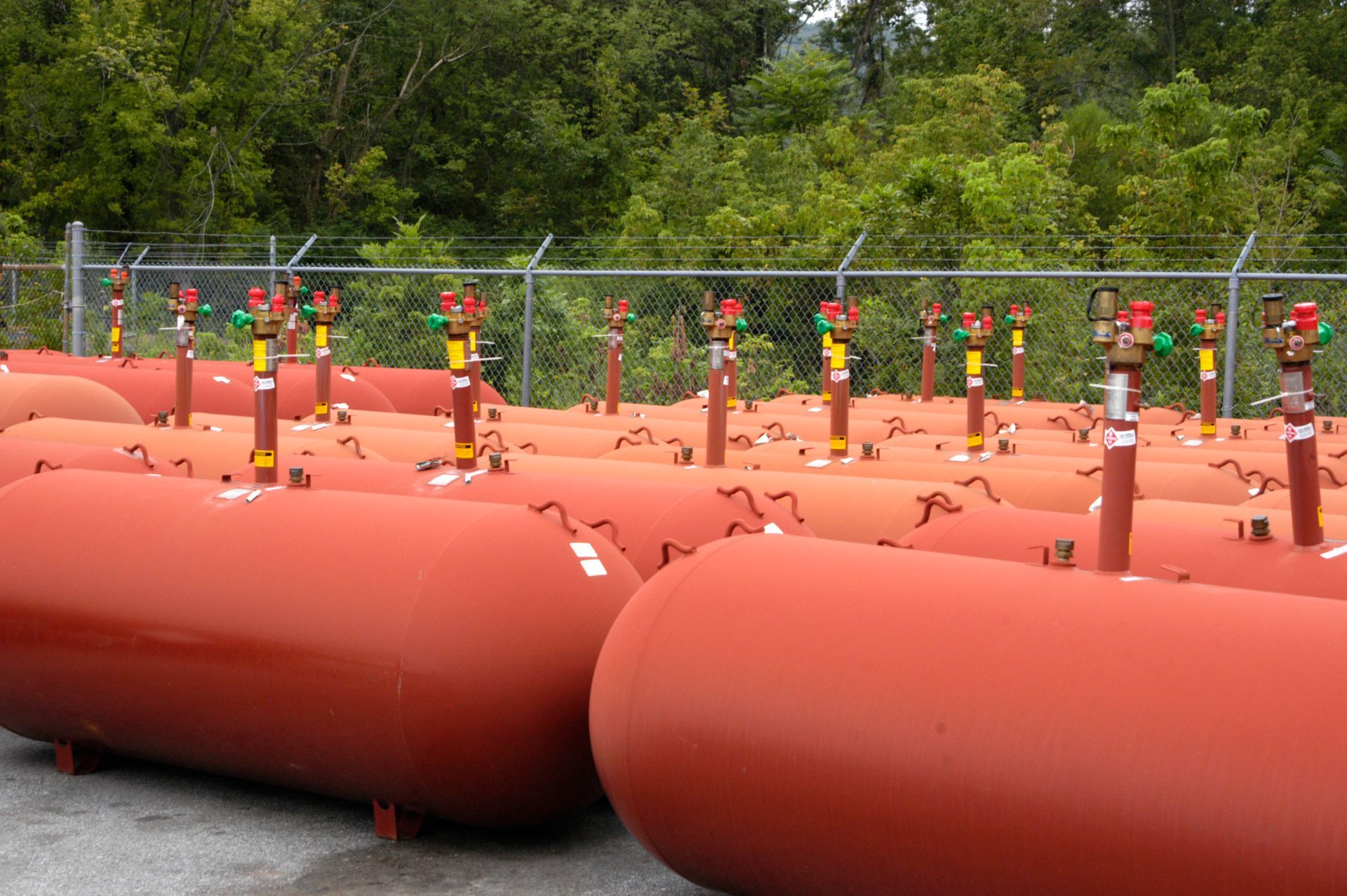
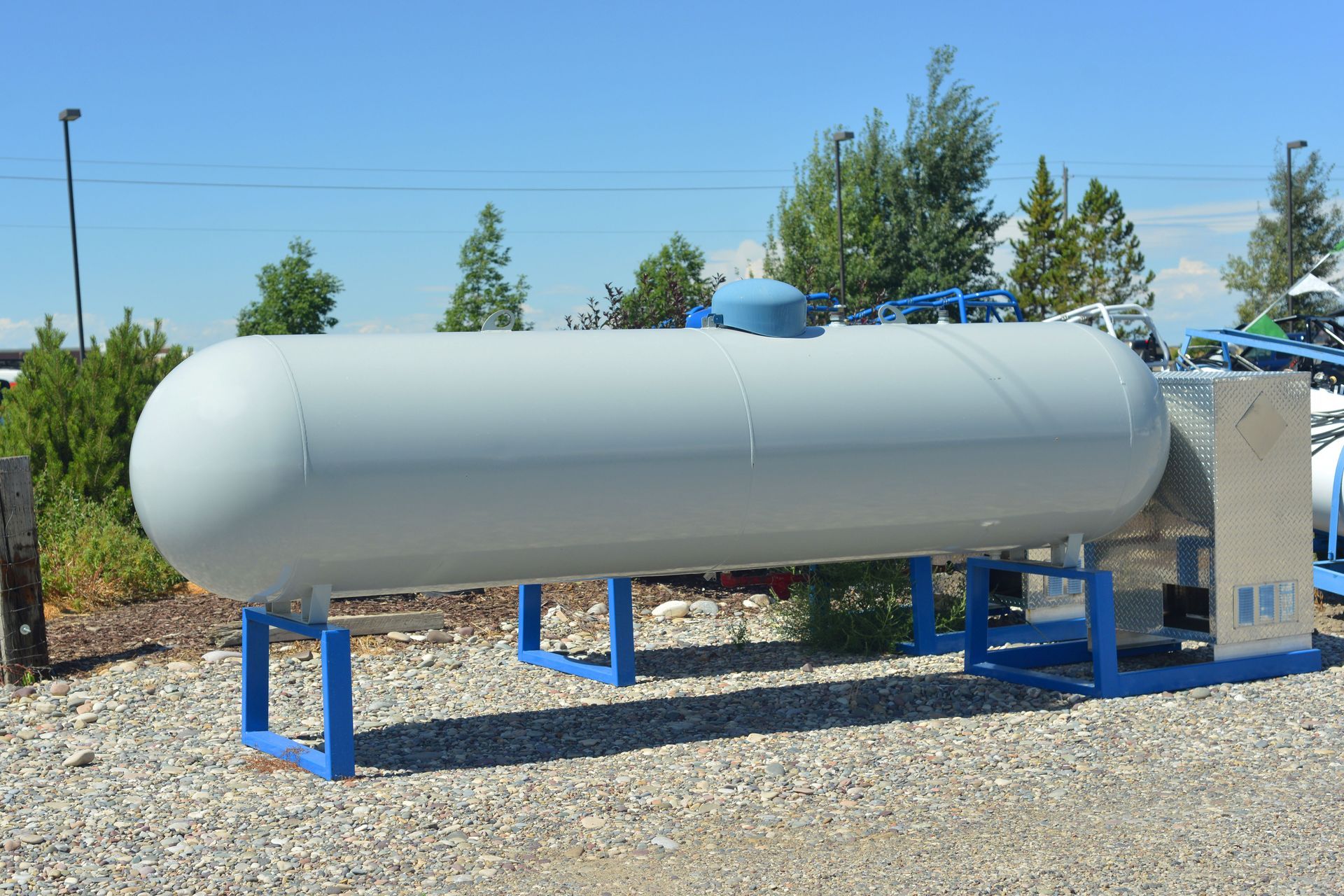
One of the primary benefits of using propane in rural areas is its reliable accessibility. Unlike natural gas, propane can be stored in tanks, making it a feasible option where gas lines are nonexistent. According to This Old House, propane is one of the most popular heating solutions in rural areas where natural gas lines may not be available. Additionally, propane suppliers have established networks that ensure dependable delivery to even the most remote locations. This infrastructure means that residents can count on their propane supply without the need for a direct connection to utility services.
Independence from Electrical Grid
Another critical advantage of propane water heaters is their independence from the electrical grid. Rural areas often suffer from power instabilities and outages, making off-grid solutions like propane more attractive. Propane water heaters continue to function efficiently even during power cuts, ensuring a consistent supply of hot water. This independence is particularly beneficial in emergency situations when reliance on electricity would otherwise disrupt daily life. The capability of propane systems to maintain functionality highlights their reliability in rural settings.
Robust Supply Chain
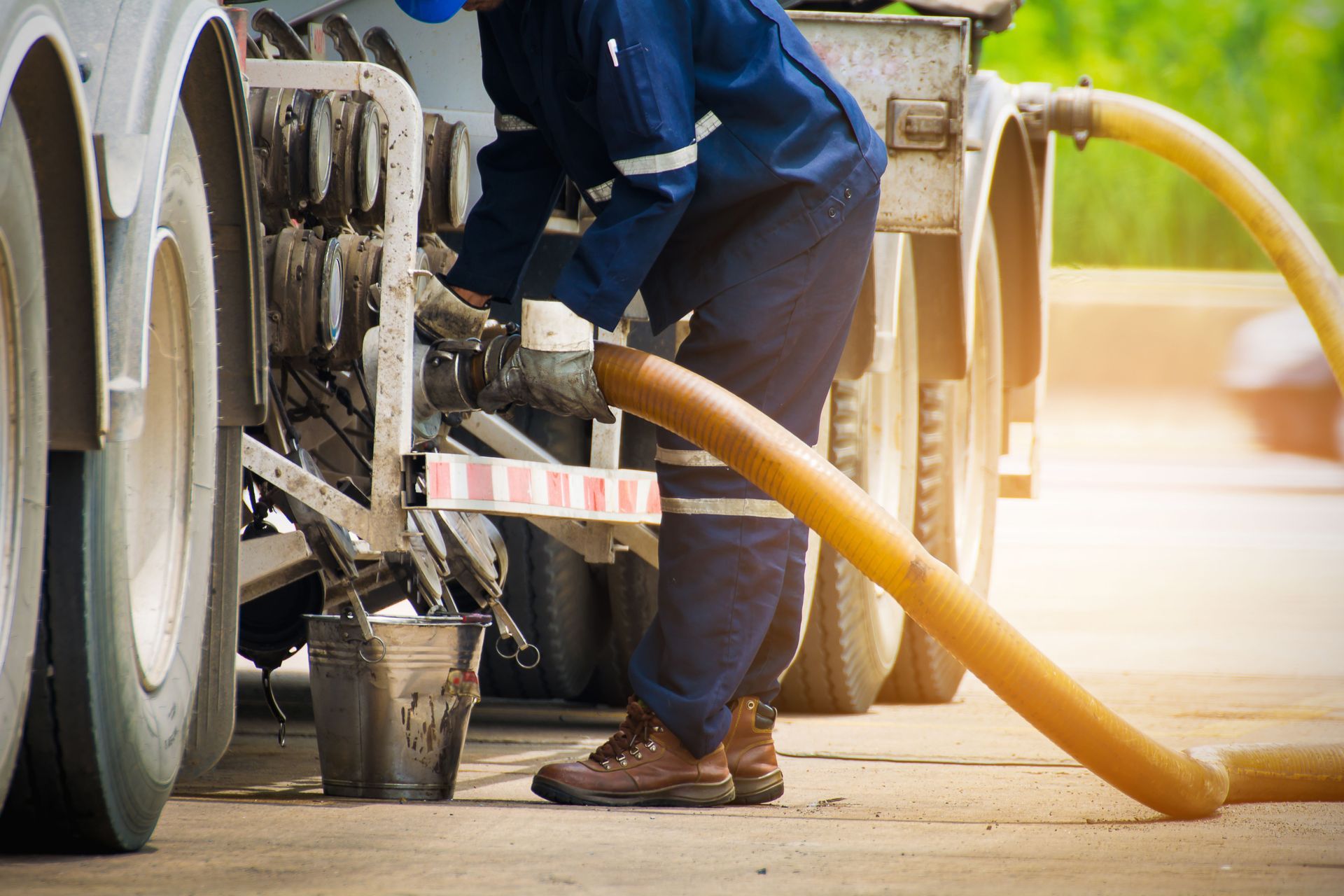
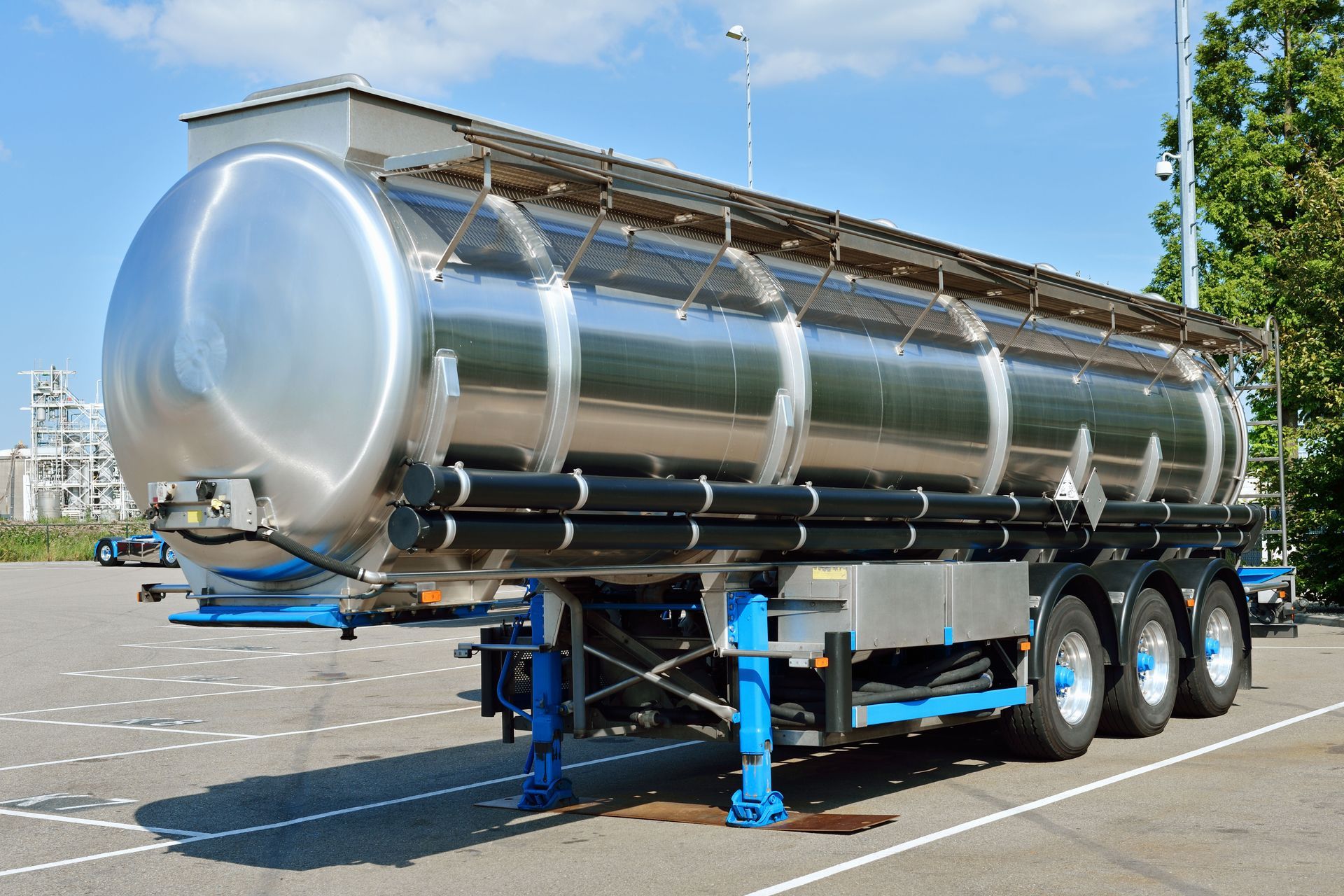
The supply chain for propane in rural areas is both well-established and resilient. Suppliers have developed logistics solutions that account for varying terrains and weather conditions, ensuring that propane deliveries remain consistent. In times of adverse weather, where access to other energy sources may be compromised, propane deliveries are often sustained. This robust supply chain offers peace of mind to rural residents who might otherwise face significant vulnerability during storms or other natural events. The resilience of the propane distribution network underscores its suitability as a rural energy source.
Emergency Preparedness
Propane water heaters play a crucial role in emergency preparedness by providing reliable access to hot water when it's most needed. During natural disasters or prolonged outages, having a dependable hot water source can significantly enhance comfort and safety. Propane's ability to function independently of the electrical grid means that it continues to supply energy regardless of power outages. This independence makes it an essential component of any comprehensive emergency readiness plan. Thus, adopting propane systems enhances a household’s resilience to unpredictable events.
Adaptability to Off-Grid Living
Many rural households adopt off-grid living practices to decrease their reliance on external energy sources. Propane water heaters integrate seamlessly into off-grid systems, providing efficient hot water solutions without requiring connection to the grid. This adaptability has made propane an attractive choice among those pursuing self-sufficient lifestyles. With propane, rural residents can design systems that cater to their specific needs without the constraints of public infrastructure. Overall, the flexibility of propane to adapt to diverse living situations bolsters its advantages in rural areas.
Cost-Effectiveness and Energy Efficiency
Lower Operating Costs
Over the long term, propane water heaters often result in notable cost savings for rural households. Their operating costs are generally lower than those of electric water heaters, contributing to reduced monthly energy expenditures. This economic benefit is particularly significant in rural areas, where budgets for public utilities can be tight. These savings often offset the initial investment in a propane system, resulting in long-term affordability. Hence, the overall cost-effectiveness of propane water heaters makes them a financially wise choice.
Higher Efficiency Ratings
Propane water heaters are renowned for their high-efficiency ratings, translating to better energy use and reduced bills. High-efficiency models use less fuel to deliver the same level of heating compared to their electric counterparts. This translates to less waste and significant savings over time, benefiting both homeowner wallets and the environment. Additionally, the advanced technology behind these heaters often leads to quicker heating times, further optimizing energy usage. Their efficiency is one of many reasons propane is a preferred heating solution in many rural settings.
Cost Comparisons with Other Fuels
When compared to other traditional heating fuels, propane emerges as a cost-effective option. Natural gas lines are often unavailable in rural areas, elevating the appeal of propane as a feasible alternative. Unlike heating oil, propane prices remain relatively stable, allowing for better budget planning. Furthermore, propane’s energy output per unit is higher, meaning more heat for less cost compared to alternative fuels. These factors combined present propane as the more economically sensible choice.
Incentives and Rebates
Government incentives and rebates are available for propane water heater installations in many rural areas. These programs can significantly lower the initial investment and encourage the use of clean energy sources. Rebates often cover a substantial portion of installation costs, making propane systems even more accessible. These incentives also underscore government recognition of propane's benefits in reducing energy consumption. Consequently, eligible homeowners can enjoy both financial assistance and enhanced energy efficiency through propane adoption.
Durability and Longevity
The robust construction of propane water heaters contributes to their notably long lifespan. These heaters are built to withstand various stresses, reducing the need for frequent replacements. Their durability ensures prolonged operational life, which translates into long-term cost savings for owners. Furthermore, the reliability of these units minimizes maintenance requirements and associated expenses. The combination of longevity and low maintenance demands enhances the value proposition of propane water heaters in terms of cost-effectiveness.
Environmental Advantages
Reduced Carbon Footprint
Propane is known for its reduced carbon emissions when compared to other fossil fuels. It produces fewer greenhouse gases during combustion, contributing to cleaner air and a smaller ecological footprint. This environmentally friendly characteristic is beneficial in rural areas where air quality may be more susceptible to pollution from residential heating sources. By choosing propane, rural residents contribute to the protection of their natural surroundings. This reduction in emissions aligns with broader efforts to combat climate change and promote sustainability.
Cleaner Burning Process
The combustion process of propane is cleaner than that of conventional fuels, producing fewer pollutants. This cleaner burning process means that using propane can lead to better air quality in surrounding areas. Additionally, propane's minimal sulfur content results in less acid rain and associated environmental damage. For communities keen on preserving their natural landscapes, this aspect of propane offers significant environmental benefits. Consequently, the clean-burning nature of propane supports both ecological preservation and public health objectives.
In summary, propane water heaters offer numerous advantages for rural areas, including reliability, cost-effectiveness, and environmental benefits. Their ability to function independently of the electrical grid and adaptability to various living arrangements enhances their practicality. Government incentives and developments in renewable propane further bolster their appeal, paving the way for future growth and adoption. Despite potential challenges, such as initial costs and weather impacts, propane presents a valuable energy solution in settings where it is most needed. As rural communities continue to seek efficient and sustainable energy sources, propane water heaters stand as a robust and effective choice. Be sure to reach out to Pecos Propane, Inc today for more information on our professional residential propane services!