September 10, 2026
Whether the dead of winter brings freezing temperatures or the peak of summer demands reliable energy for agricultural and commercial operations, having a dependable fuel source is entirely non-negotiable. For millions of property owners across the country, propane is the energy source of choice. It is clean-burning, highly efficient, and incredibly versatile, capable of powering everything from a cozy living room fireplace to a massive warehouse forklift fleet. However, the true backbone of this energy infrastructure is not just the fuel itself; it is the logistical network that brings it directly to your property.
We understand that a consistent, seamless fuel supply is the lifeblood of our community’s comfort and economic productivity. According to the National Propane Gas Association, 50 million American homes use propane. This staggering statistic highlights just how deeply embedded this fuel is in our daily lives. But how exactly does this energy source continuously flow from storage facilities to your backyard tank? The answer lies in professional propane delivery, a service that operates tirelessly behind the scenes to keep our homes warm and our local businesses thriving.
Understanding the Versatility of Propane Gas
Before diving into the logistics of keeping tanks full, it is crucial to understand why so many people choose this specific fuel in the first place. Propane, also known as liquefied petroleum gas (LPG), is a byproduct of natural gas processing and petroleum refining. It is stored under pressure as a liquid but burns as a gas, making it incredibly energy-dense. Because it produces significantly fewer greenhouse gas emissions compared to traditional fossil fuels like coal or heating oil, it is widely recognized as an environmentally friendly alternative.
Furthermore, it provides an exceptional level of energy independence. Unlike electricity or natural gas, which rely on a vulnerable grid or fixed underground pipeline infrastructure, this fuel is stored on-site. This off-grid capability means that rural properties and remote facilities can enjoy the exact same modern conveniences as urban properties. Of course, this independence relies entirely on one vital factor: ensuring that you have an adequate supply when you need it most. This is where relying on a trusted provider for your propane delivery becomes a vital part of property management, ensuring that you never experience a disruptive run-out during a crucial moment.
Powering the Needs of Residential Homes
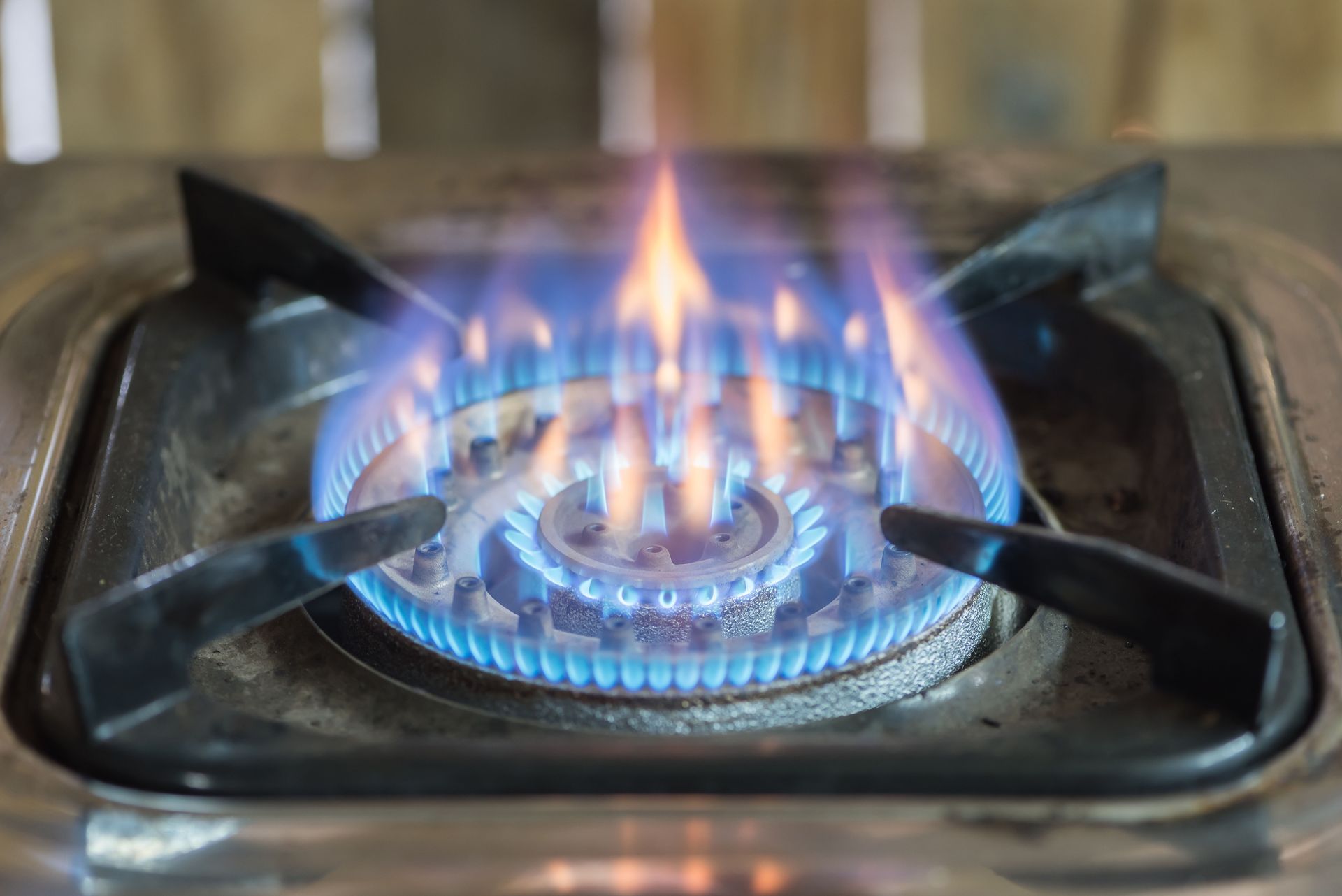
For the modern homeowner, this versatile fuel does much more than just run the backyard barbecue grill. It acts as a comprehensive energy solution that powers a vast array of high-efficiency household appliances. Home heating systems powered by LPG heat air much warmer and faster than electric heat pumps, providing immediate, cozy comfort during the coldest months of the year. Beyond the furnace, it powers tankless water heaters, providing an endless supply of hot water while significantly reducing monthly utility costs. It is also the preferred choice for cooking enthusiasts who rely on gas ranges for precise temperature control, and it fuels backup generators that keep the lights on during severe weather grid failures.
Because households rely on these appliances daily, maintaining a steady fuel supply is not just a matter of convenience; it is a matter of safety and survival, especially in harsh climates. A family cannot afford to have their furnace shut down during a freezing winter night. Managing a household requires tremendous effort, and running out of fuel should never be on a homeowner's list of worries. By scheduling a timely propane delivery before the heavy winter rush, families can rest easy knowing their home will remain a warm, safe sanctuary regardless of the weather conditions outside.
Fueling the Operations of Commercial Businesses
While residential usage is vast, the commercial and industrial sectors rely on this energy source just as heavily. For business owners, time is money, and any interruption in energy supply translates directly to lost revenue, delayed projects, and compromised services. From the hospitality industry to large-scale agriculture, businesses require high-volume, high-efficiency power to maintain their daily operations.
Consider a bustling restaurant. Professional chefs almost exclusively prefer cooking with gas due to the immediate heat and precise control it offers. If a restaurant runs out of fuel in the middle of a busy Friday night dinner service, the financial and reputational losses can be devastating. Similarly, in the agricultural sector, farmers utilize massive amounts of LPG for crop drying, greenhouse heating, and running irrigation pumps. In the logistics and warehousing industries, indoor forklifts are frequently powered by LPG because of its low emissions and fast refueling times compared to battery-operated alternatives. To meet these high-capacity demands, commercial propane delivery is tailored specifically to accommodate large storage tanks, rapid refill schedules, and the unique operational hours of industrial enterprises. A reliable supplier ensures that businesses never have to pause their operations due to an empty tank.
Ensuring the Consistency of Automatic Programs
Historically, monitoring a fuel tank was a manual chore. Property owners had to constantly check their tank gauges, estimate their usage based on the weather, and remember to call their supplier weeks in advance to schedule a refill. This "will-call" method often led to human error, resulting in stressful emergency situations and expedited delivery fees when a tank unexpectedly ran dry.
Today, modern technology and proactive service models have entirely revolutionized this process. Most top-tier providers now offer automated scheduling systems that track weather patterns, calculate "heating degree days," and monitor a property's historical fuel usage. Enrolling in automatic propane delivery completely eliminates the stress of monitoring your own supply. The delivery driver simply arrives and tops off the tank before the fuel level ever drops dangerously low. For customers who want even more precision, wireless tank monitors can be installed directly on the storage tank, transmitting real-time fuel levels to both the customer’s smartphone and the supplier’s dispatch center. This technological advancement ensures an uninterrupted flow of energy.
Prioritizing the Safety of Fuel Management
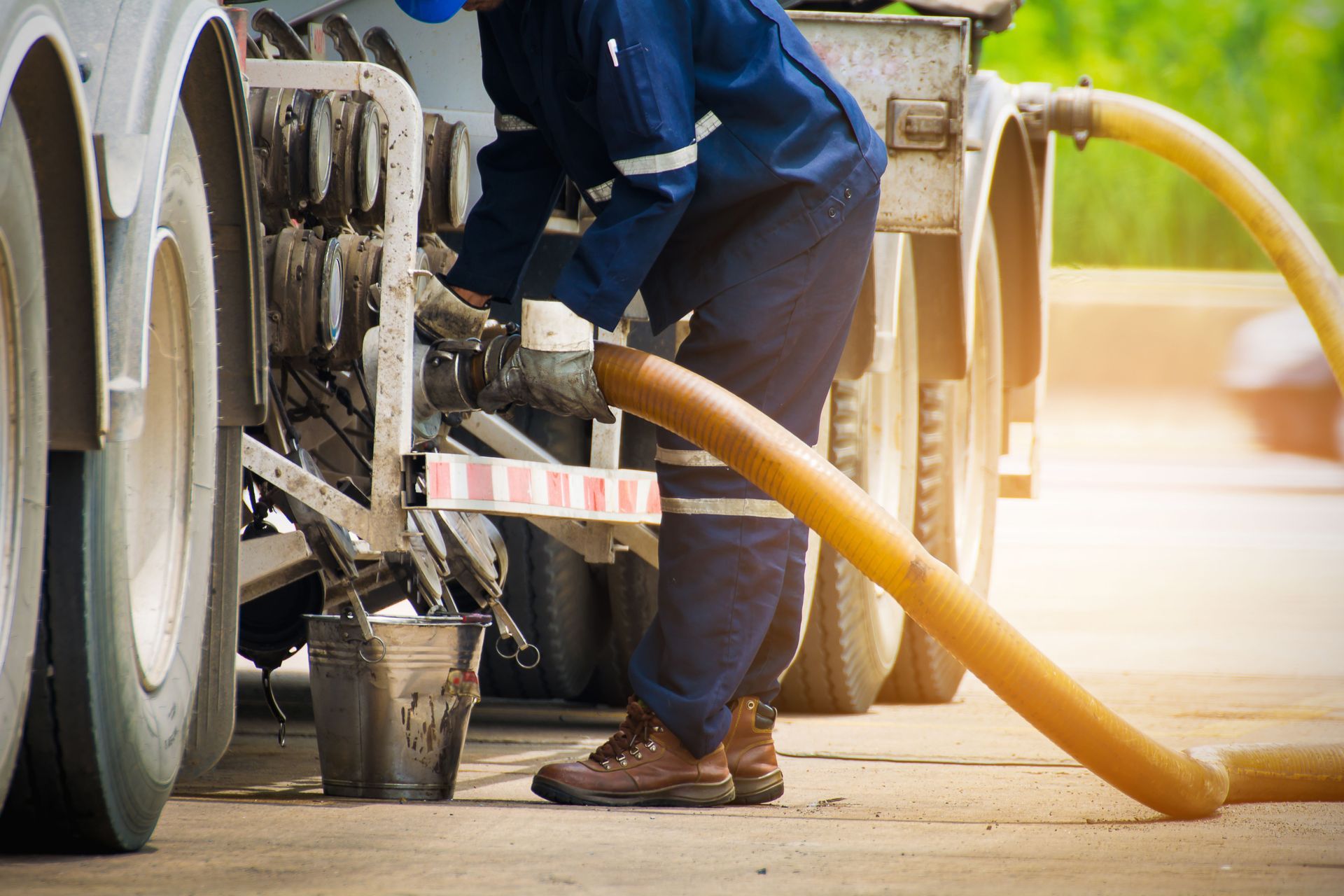
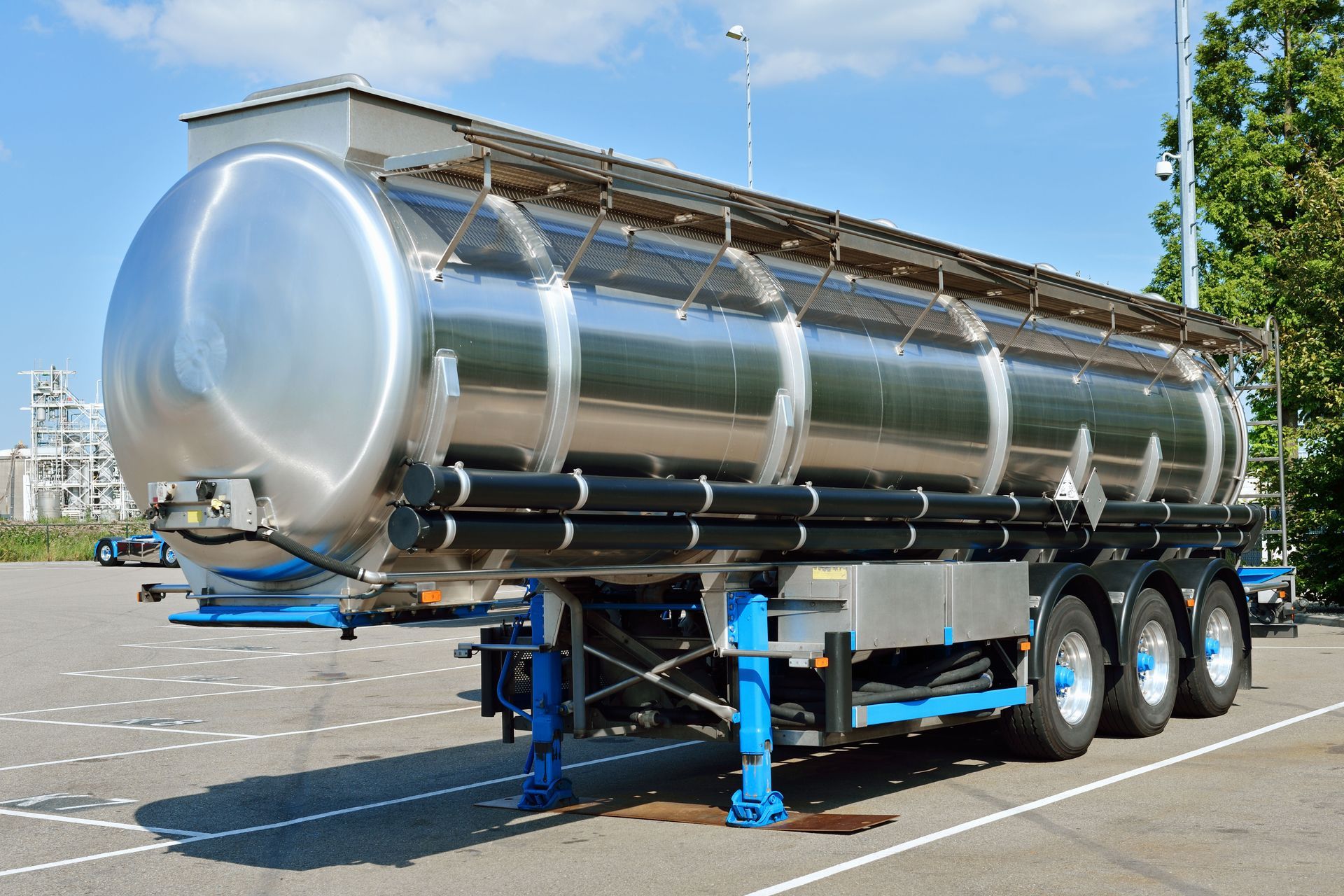
Safety is always the paramount concern when dealing with combustible fuels. While propane is incredibly safe when handled correctly, it requires specialized knowledge, strict adherence to industry regulations, and careful transportation protocols. Professional drivers and technicians undergo rigorous, ongoing training to ensure that every drop of fuel is transferred securely from the bobtail truck to the customer's storage tank.
Furthermore, the delivery process serves as a vital touchpoint for system maintenance. A scheduled propane delivery often includes a visual safety inspection of the tank, the valves, and the surrounding environment. Drivers are trained to look for signs of rust, wear and tear, or potential leaks. They ensure that the tank is sitting level, that regulators are functioning correctly, and that the area remains free of hazardous debris or overgrown brush. If an emergency does occur, or if a customer smells the distinct "rotten egg" odorant added to the gas for leak detection, established suppliers offer emergency response services. This comprehensive approach to safety guarantees that property owners can enjoy all the benefits of their fuel without compromising their peace of mind.
We have built our reputation on a foundation of trust, consistency, and unparalleled customer care. We know that whether you are keeping your family warm through a winter storm or running a high-capacity commercial facility, you simply cannot afford downtime. By trusting Pecos Propane, Inc. for your propane delivery, you are partnering with a dedicated team committed to keeping your home comfortable and your business running smoothly all year long.