October 5, 2026
Handling propane tanks safely and efficiently is crucial to prevent accidents and ensure longevity. Despite this, many users continue to make common mistakes that can lead to dangerous situations. Understanding the details of handling, storing, and using propane tanks properly can reduce risks significantly. Avoiding these missteps not only safeguards you and your property, but also maximizes the tank's lifecycle and overall effectiveness. Proper management prevents structural degradation, protects against unpredictable weather conditions, and ensures your equipment operates reliably throughout its lifespan.
A proactive approach to propane care involves educating yourself on proper storage environments, monitoring fuel usage, staying compliant with relevant regulations, maintaining robust emergency preparedness, and insisting on certified refilling services. By establishing consistent habits and recognizing potential hazard signs early, you protect your household or business while enjoying uninterrupted service. Taking small, preventative measures today eliminates costly repairs and hazardous emergencies down the road, giving you complete peace of mind during everyday operation.
Whether you rely on fuel for residential heating, outdoor cooking, or commercial equipment, maintaining high safety standards is an essential responsibility. Neglecting standard procedures often leads to minor errors that compound into serious safety hazards over time. By taking time to review proper handling protocols, checking physical tank condition, and staying aware of operational best practices, you can ensure smooth and efficient performance. This comprehensive guide details key mistakes to avoid so you can maintain a secure environment and maximize the performance of your system.
Storing Propane Tanks Safely Outdoors
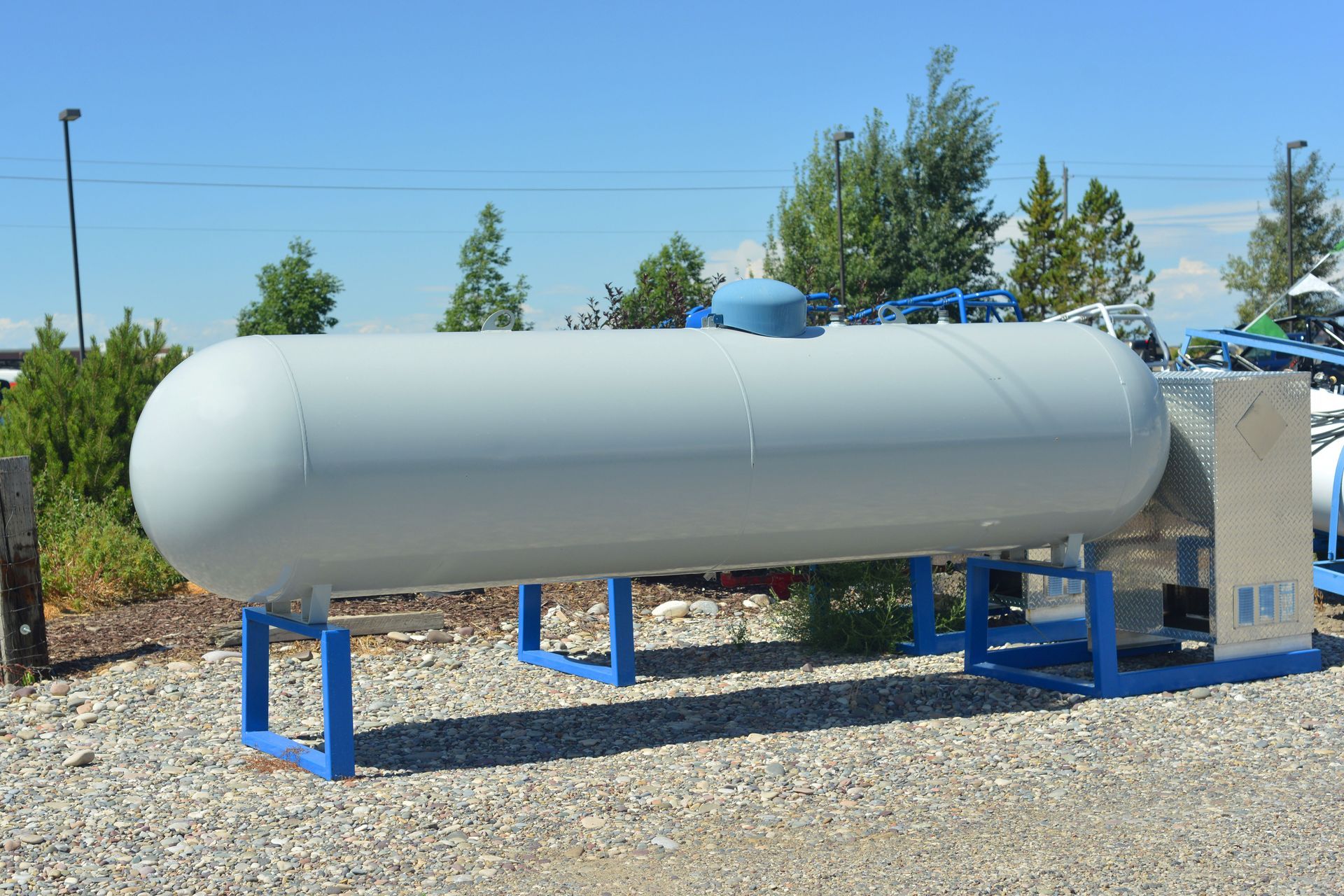
Storing a propane tank improperly creates severe hazards for your property and family. Propane tanks must always be stored outdoors in well-ventilated spaces to prevent gas accumulation, which can ignite from minor electrical sparks or static charges. Storing them inside homes, garages, or sheds allows escaping gas to concentrate in enclosed areas. Additionally, outdoor placement should keep tanks away from high-traffic zones and entryways, minimizing the chance of accidental impacts or mechanical damage that could compromise structural integrity.
Temperature fluctuations directly affect internal pressure dynamics. According to the Department of Energy, propane tanks are pressurized to around 150 pounds per square inch. High heat increases internal pressure, potentially triggering safety relief valves, while extreme cold drops vapor pressure and hinders gas flow to appliances. Keep tanks in shaded, stable locations out of direct sunlight. Always secure tanks vertically using stabilizing bases or restraints to prevent tipping, which can damage valves and disrupt proper pressure regulation.
Combustible materials pose a serious threat when kept near fuel storage. Maintain a clear perimeter around your unit, keeping paint, gasoline, paper, and dry vegetation far away from the area. Proper ventilation ensures any minor gas release diffuses safely into the surrounding air rather than settling in low-lying areas. Inspecting the storage site regularly helps identify environmental hazards before they compromise safety, ensuring a clean and secure location that upholds industry standards.
Managing Propane Tank Usage Correctly
Mismanaging fuel usage leads to severe operational inefficiencies and dangerous gas leaks. Overfilling a propane tank leaves insufficient room for natural gas expansion, forcing safety relief valves to release excess pressure into the environment. Always ensure certified technicians handle refilling so the tank stays within its designated fill limits. Using expired units is equally hazardous, as aged metal and worn seals succumb to fatigue, dramatically increasing leak risks. Maintain logs of expiration dates to schedule timely certifications or replacements.
Routine checks are essential for detecting early signs of wear, corrosion, or fitting deterioration. Regularly inspect valves, hoses, and physical surfaces for damage, and perform soap solution tests to identify hidden gas leaks promptly. Electronic leak detectors provide additional security by alerting occupants to escaping gas immediately. Addressing small connection issues early prevents system failures, extends equipment longevity, and keeps fuel flowing smoothly without unnecessary hazards.
Connecting fuel containers to appliances requires extreme care and precise tools. Cross-threading connections or leaving debris on seal faces causes slow leaks and poor appliance performance. Always follow manufacturer guidelines when attaching regulators, and double-check connections before turning on the main valve. Taking time to establish tight, clean seals guarantees efficient fuel consumption and protects surrounding structures from hazardous gas build-ups during operation.
Complying with Propane Tank Regulations
Overlooking local codes and safety guidelines creates significant legal and safety risks. Municipal regulations dictate placement distances from structures, property lines, and ignition sources to protect communities. Failing to comply with transportation rules, such as securing containers upright in well-ventilated vehicles during transport, can cause severe accidents on the road. Familiarizing yourself with local ordinances ensures your setup remains fully compliant and safe for surrounding properties.
Periodic recertification is legally required to verify structural integrity, valve functionality, and pressure safety. Operating units that are not certified violates regulatory standards and can void insurance coverage if an incident occurs. Mark recertification dates clearly and schedule professional inspections well in advance. Following manufacturer instructions for specific models further ensures optimal operation, as different designs carry distinct pressure tolerances, maintenance needs, and operational parameters.
Proper disposal procedures are mandatory when decommissioning older units. Leaving empty units in landfills or trash collection sites creates environmental hazards and risks accidental ignition from residual pressure. Take retired units to certified recycling centers or authorized vendors equipped to purge remaining gas safely. Adhering to eco-friendly disposal practices upholds environmental stewardship while removing compromised containers from active circulation.
Preparing for Propane Tank Emergencies
Inadequate emergency preparedness leaves households vulnerable during unexpected gas incidents. Every family member should know the location of the main shut-off valve and how to close it quickly. Practice turning off the supply so everyone can react swiftly during a crisis. Additionally, keep Class B fire extinguishers readily accessible near fuel zones, but at a safe distance from the tank itself, to address minor fires before they escalate.
Developing a clear, written emergency action plan ensures coordinated responses during gas leaks or fires. The plan should include designated evacuation routes, emergency contact numbers, and clear responsibilities for every occupant. Practice evacuation drills periodically so everyone remains calm and decisive during real emergencies. Clear communication and established routines dramatically reduce panic and improve safety outcomes when immediate action is required.
Recognizing the distinct rotten-egg odor of escaping gas is essential for early leak detection. If you smell gas, immediately evacuate the area, refrain from operating electrical switches or open flames, and call emergency services from a safe distance. Installing specialized gas detectors inside the home provides continuous monitoring, offering an active safety layer that alerts occupants to leaks day and night, ensuring rapid responses to potential dangers.
Ensuring Professional Refilling Practices
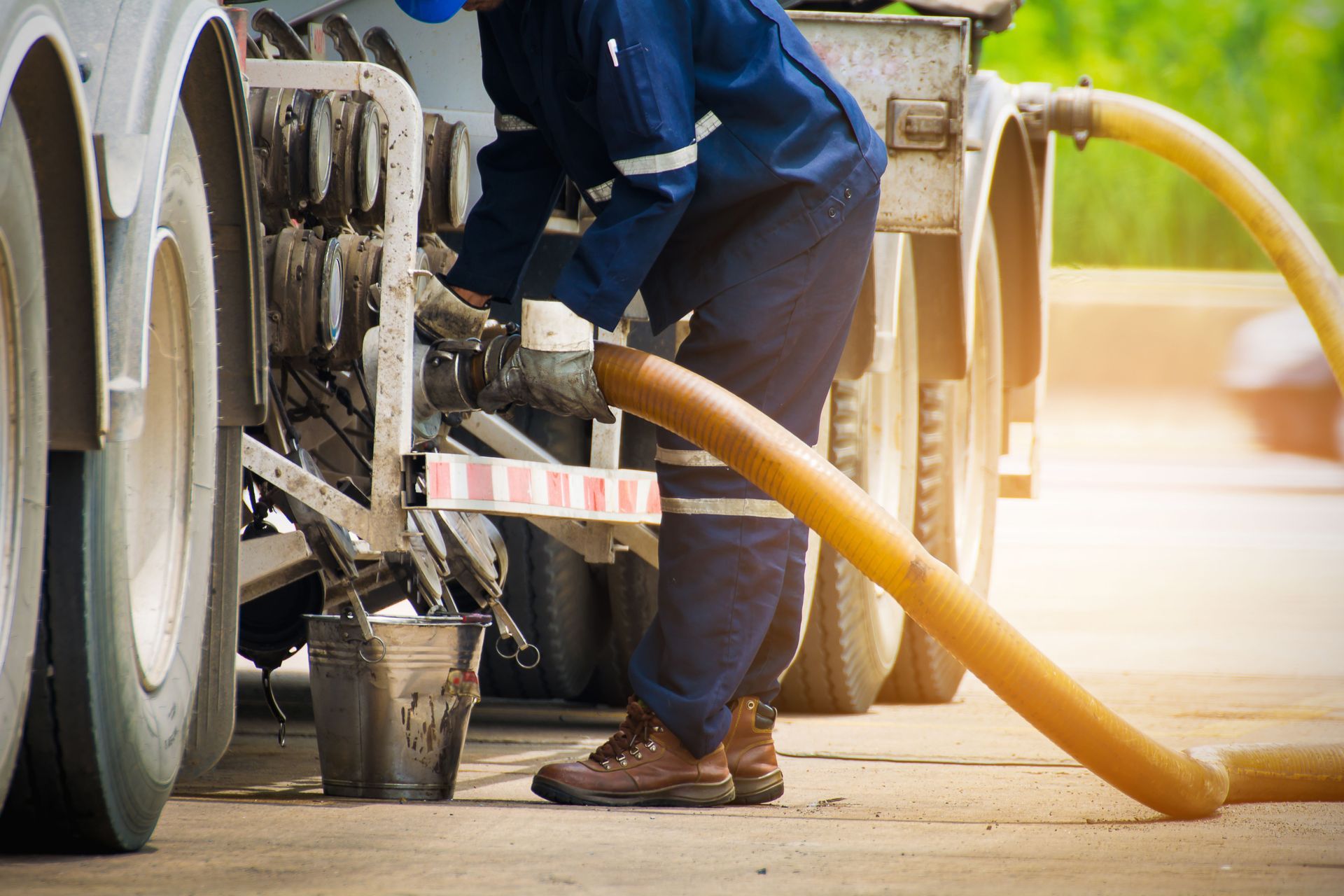
Refilling fuel units through unauthorized vendors invites severe safety hazards, including incorrect filling levels and compromised valve safety. Authorized refill stations employ trained personnel who follow strict safety standards and use calibrated equipment. Non-certified operations often skip critical safety checks, increasing the risk of overfilling or contaminating the supply with moisture and air, which degrades appliance efficiency and damages internal components over time.
Refilling visibly damaged units is extremely dangerous. Tanks displaying deep rust, dents, gouges, or valve damage must be removed from service immediately until inspected by a qualified technician. Before refilling, technicians must perform thorough visual inspections to confirm structural soundness and valve functionality. Attempting to fill compromised units can trigger sudden structural failures under pressure, putting service personnel and property at risk.
Understanding proper refilling steps empowers consumers to recognize quality service and demand safe handling. Ensure service providers check tare weight, inspect relief valves, and verify recertification stamps before filling your propane tank. Partnering with reputable professionals guarantees high safety standards, protects your investment, and keeps your gas system operating at peak performance year-round. For more information about the services that we offer, reach out to our incredible team at Pecos Propane, Inc today!