February 6, 2026
Energy decisions influence comfort, cost control, and household resilience. Homeowners today face a growing number of options for heating, cooking, and powering essential systems, including electricity, natural gas, oil, and alternative fuels. Among these choices, propane has gained renewed interest for its versatility, consistent performance, and accessibility in areas where other fuels may be limited. Because propane is stored on-site, households retain greater control over supply, purchasing timing, and usage habits. When homeowners understand how propane works and how to manage it effectively, it can become a reliable long-term solution for home comfort.
This guide introduces the fundamentals of using propane at home—covering safety practices, budgeting strategies, installation and maintenance considerations, environmental impacts, and the value of working with qualified professionals. With the right knowledge, residential propane can offer both peace of mind and meaningful savings throughout the year.
Understanding Propane as a Home Energy Option
Propane is a liquefied petroleum gas derived from natural gas processing and crude oil refining. It transitions from liquid to gas as it leaves its storage tank, fueling appliances ranging from furnaces and water heaters to stoves, fireplaces, dryers, and outdoor grills. Because it burns efficiently and produces strong, steady heat, many households choose residential propane for dependable performance across seasonal temperature changes.
The flexibility of propane systems is one of their greatest advantages. Homes can be designed entirely around propane, retrofitted to incorporate it alongside other energy sources, or configured as hybrid systems that balance electricity with propane-powered appliances. Unlike grid-dependent solutions, propane operates independently during power outages—an important advantage for households in rural or storm-prone regions.
Usage trends reflect this practicality. According to the National Council on Energy, about 4.9% of American households rely on propane gas for home heating. This figure illustrates the significant role residential propane plays in communities where natural gas pipelines are unavailable or unreliable. For many families, it represents a pathway to consistent comfort without sacrificing control over energy decisions.
When determining whether propane is appropriate for a property, homeowners typically evaluate tank size requirements, appliance compatibility, delivery schedules, and local service availability. Understanding these elements early helps ensure a smooth transition and safe long-term operation.
Evaluating Safety Considerations for Propane Systems
Any household fuel requires informed, responsible handling—and propane is no exception. Modern systems are built with layered protections, including pressure regulators, shutoff valves, and professionally installed piping. However, homeowner awareness remains essential.
Propane suppliers add an odorant to the otherwise odorless gas, giving it a sulfur-like smell comparable to rotten eggs. If residents notice this scent, they should leave the building immediately, avoid turning lights or appliances on or off, and contact their propane provider or emergency services from outside. Quick response minimizes risk and allows technicians to locate the source safely.
Ventilation is another critical factor. Appliances such as furnaces and water heaters must vent properly to prevent carbon monoxide buildup. Installing carbon monoxide detectors on every level of the home—especially near sleeping areas—provides early warning and additional protection.
Routine professional inspections strengthen these safeguards. Technicians check tank integrity, regulators, valves, connectors, and lines while also confirming that appliances burn propane cleanly. With consistent oversight, residential propane maintains a strong safety record and functions as a dependable fuel source year-round.
Managing Costs and Budgeting for Propane Use
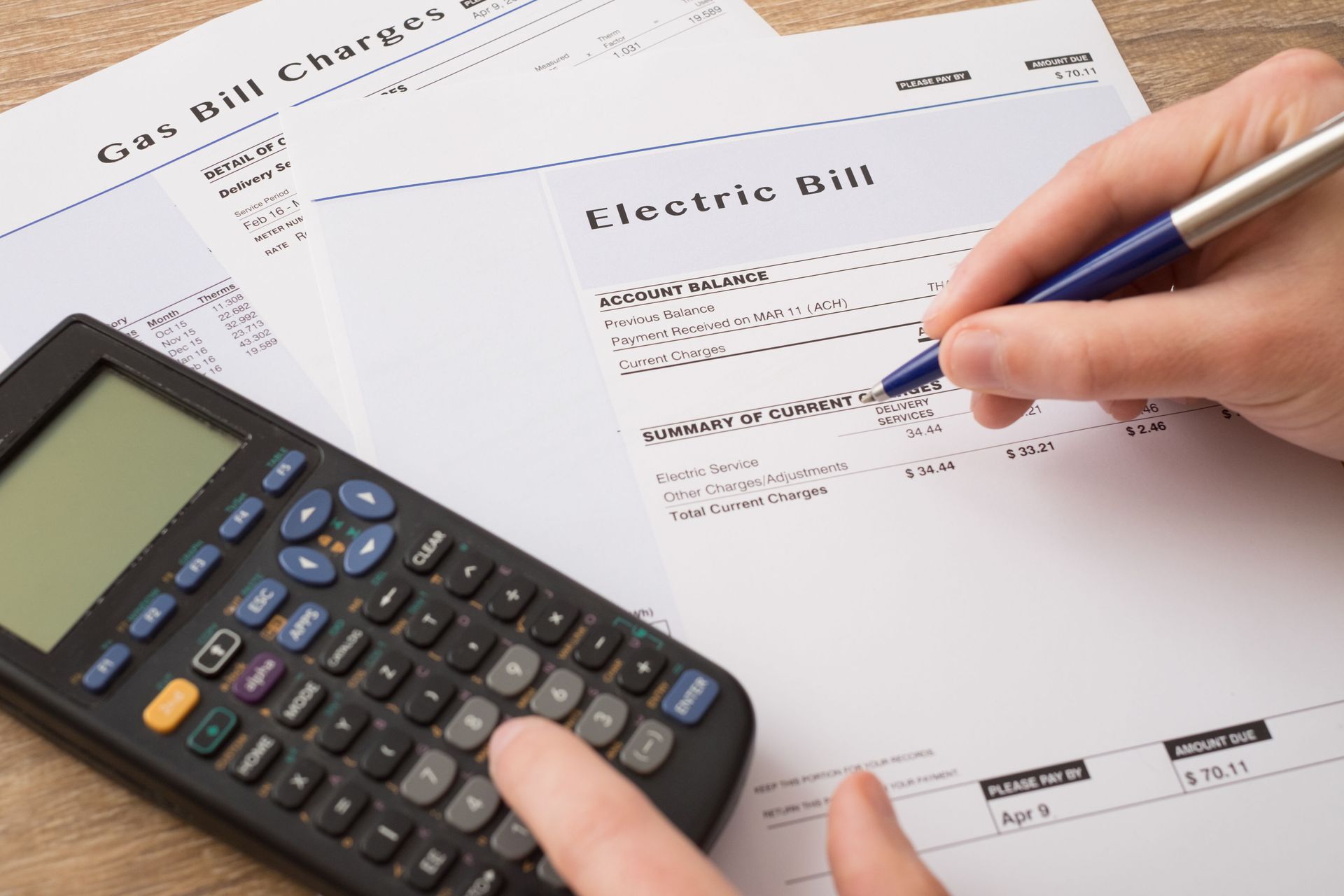
Affordability remains one of propane’s most appealing features. Because fuel is stored directly on the property, homeowners can schedule deliveries strategically, participate in price-lock programs, or enroll in budget plans that spread expenses over predictable monthly payments. This predictability distinguishes residential propane from some fuel alternatives that fluctuate sharply during peak demand seasons.
Fuel costs are influenced by global markets, weather trends, supply transportation, and local service competition. Reviewing contract types—pre-buy, fixed-rate, automatic delivery, or will-call—helps families select the best financial structure for their needs. Upgrading to energy-efficient appliances reduces long-term consumption, lowering heating and water-heating costs without compromising comfort.
Home maintenance decisions also affect propane budgeting. Well-insulated attics, sealed windows, and programmable thermostats help preserve heat and reduce strain on heating equipment. Regular service appointments keep burners clean and regulators calibrated so appliances operate at maximum efficiency. When managed thoughtfully, residential propane becomes not just cost-effective but budget-stable.
Installing and Maintaining Residential Propane Equipment
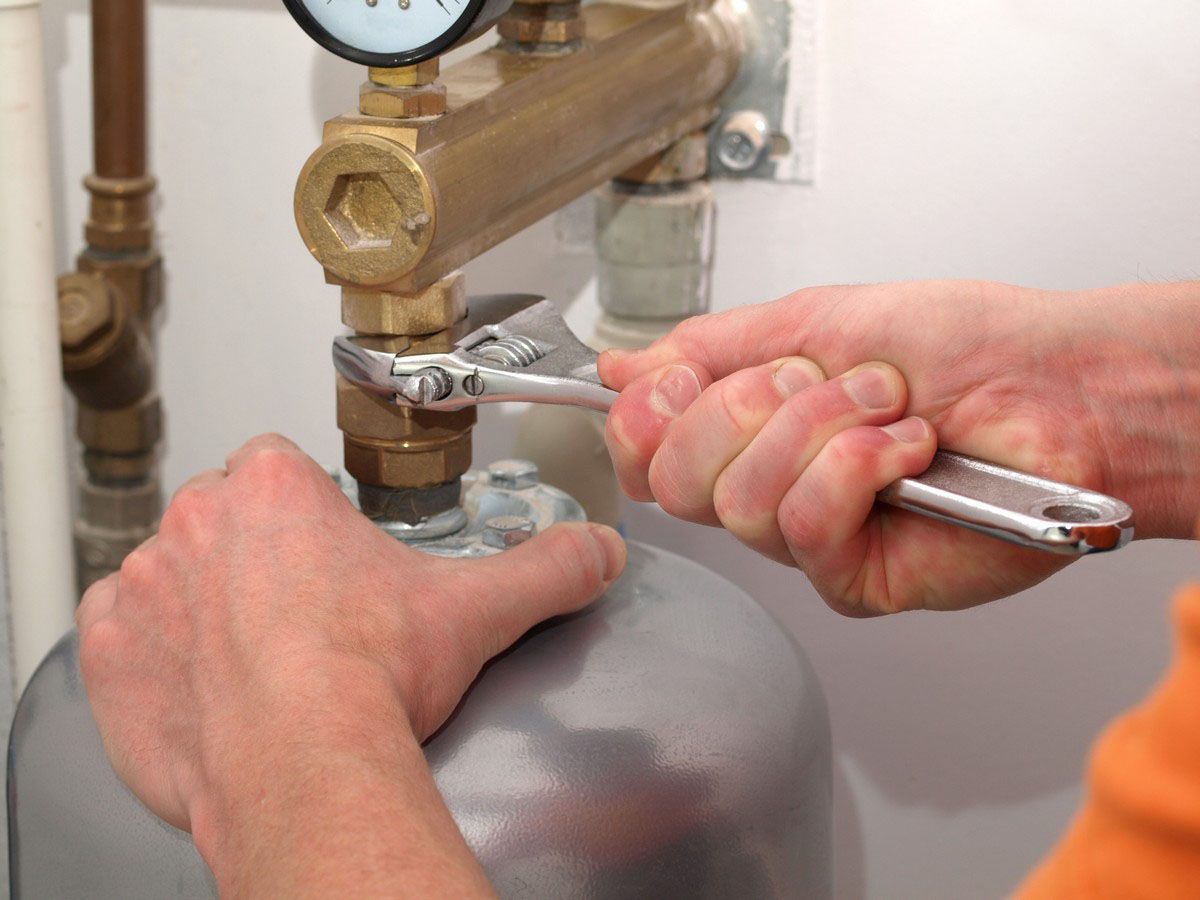
Proper installation sets the foundation for safe and efficient propane use. Tanks are typically placed outdoors at a safe distance from structures, anchored on stable ground or pads, and connected through code-compliant lines to indoor appliances. Local building rules and national safety standards dictate placement, depth of buried lines, and clearance requirements—all areas where professional expertise is essential.
Once installed, maintenance focuses on prevention rather than reaction. Annual checkups verify that valves function correctly, regulators maintain proper pressure, and tanks remain free from corrosion or physical damage. Technicians also ensure that lines are tight and appliances burn fuel cleanly.
Homeowners contribute by keeping vegetation trimmed around tanks, preventing vehicles from driving near equipment, and clearing snow or ice from access paths. They also monitor gauges regularly so deliveries can be scheduled before levels drop too low. A proactive approach extends the lifespan of systems and keeps residential propane operating smoothly.
Considering Environmental Impacts and Efficiency
Environmental performance is an important factor for many households evaluating energy choices. Propane is recognized for burning cleaner than several conventional fuels, producing fewer greenhouse gases and particulate emissions when used correctly. Because it combusts efficiently and leaves minimal residue, appliances experience less wear, reducing the likelihood of frequent replacements and minimizing waste over time.
Propane’s ability to pair with high-efficiency furnaces, tankless water heaters, and advanced cooking ranges further enhances sustainability efforts. When integrated with smart thermostats, insulated building envelopes, and responsible usage habits, residential propane supports lower total energy consumption without sacrificing comfort. These efficiency gains can also extend the usable life of major systems, reducing long-term resource consumption.
It is worth noting that any combustible fuel must be managed thoughtfully to reduce emissions and protect air quality. Choosing efficient equipment, maintaining it regularly, and working with knowledgeable service providers ensures propane remains part of a balanced, environmentally aware energy strategy. Homeowners who stay informed about upgrades and evolving energy standards can continue improving performance without dramatic lifestyle changes.
Working With a Propane Provider
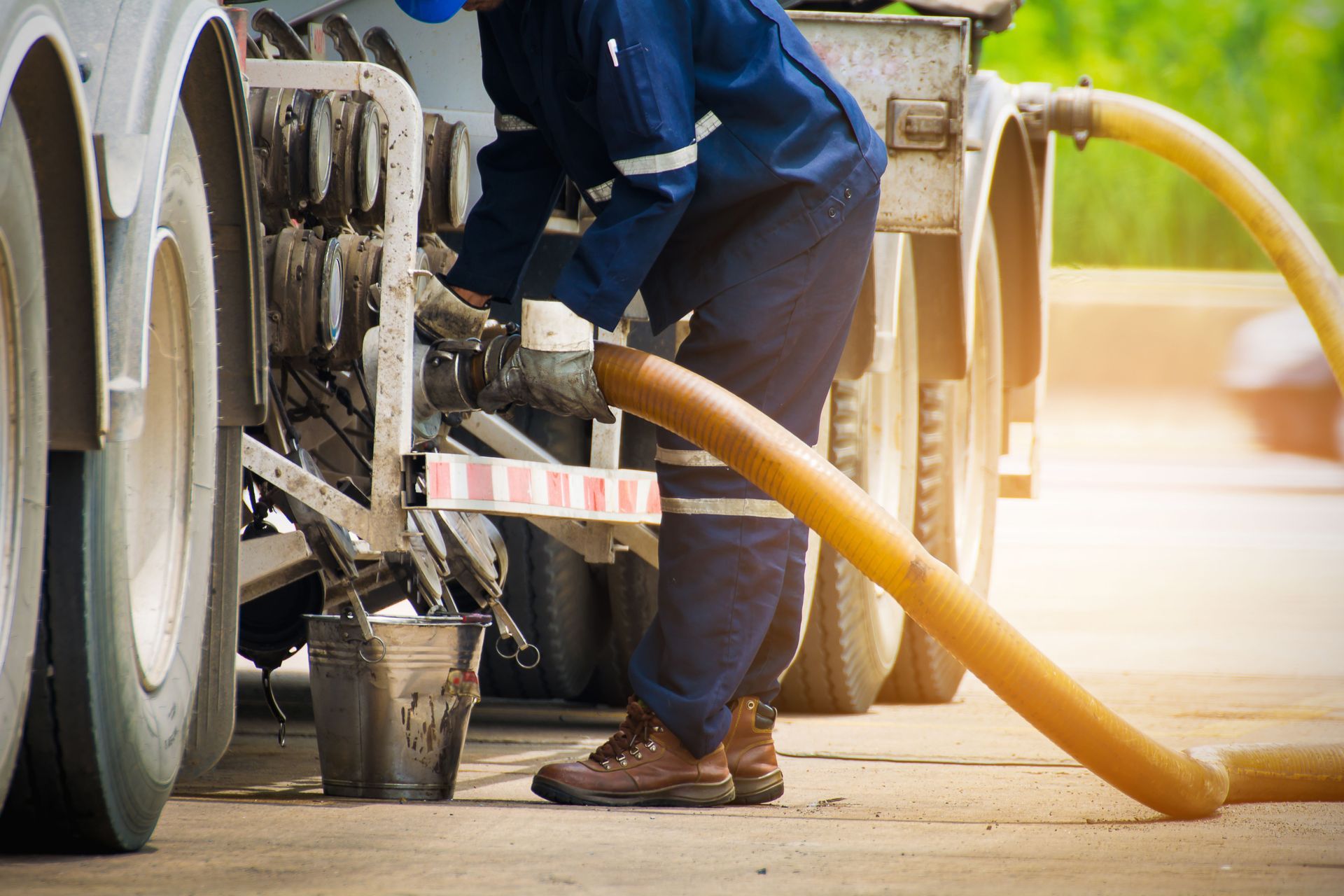
Partnership with a reputable supplier is key to long-term success with propane. Providers assist with tank sizing, provide safety instruction, schedule deliveries, respond to emergencies, and ensure compliance with local regulations. Many also offer automatic monitoring systems that track usage and signal when deliveries are needed—eliminating guesswork for busy households.
Clear communication with the provider helps homeowners plan. Sharing anticipated seasonal changes, appliance upgrades, or vacation schedules enables more accurate fuel projections. Providers can also recommend service plans, leak checks, and budget programs tailored to individual needs.
When homeowners stay engaged, managing residential propane becomes easier. A collaborative relationship ensures consistent fuel availability, stronger safety protocols, and responsive support whenever questions arise.
Residential propane offers a compelling combination of security, affordability, and versatility. Its ability to support heating, cooking, water heating, and backup power makes it an adaptable solution for a wide range of homes. With informed safety practices, careful budgeting, responsible maintenance, and professional guidance, homeowners can enjoy reliable comfort while maintaining control over their energy future. Call Pecos Propane, Inc today to schedule your propane delivery or service.