March 6, 2026
Propane is an incredibly efficient and versatile fuel source, but like any powerful energy form, it requires respect, careful handling, and proper maintenance to keep a home running smoothly. This guide explores the essential safety tips every homeowner should have in their back pocket, covering everything from initial installation to the vital importance of regular maintenance. By understanding the mechanics of your fuel system, you can feel empowered and confident while using a propane tank around your family and property.
Understanding Propane and Its Pressure Risks
First, it is important to understand what this fuel actually is. Propane is a hydrocarbon gas that serves as a staple in millions of homes. It is a byproduct of natural gas processing and petroleum refining, which makes it widely available and cost-effective. As a member of the liquefied petroleum gas (LPG) family, it has a unique physical property: it is stored as a liquid under intense pressure but turns into a gas the moment it is released from its propane tank.
The amount of force involved in storage is significant. According to the Department of Energy, propane tanks are pressurized to around 150 pounds per square inch (twice the pressure of a truck tire). This high pressure is exactly what allows the propane to stay in a compact liquid form until it is needed for a stove or heater. However, because it is held under such force, handling the equipment with care is a necessity rather than a suggestion.
Propane is generally safe, but it has specific characteristics that homeowners should note. For instance, it is heavier than air. If a leak occurs, the gas will not float away; instead, it sinks to the lowest point possible, such as a basement or crawlspace. This is why being able to identify the "rotten egg" odor added to the gas is a primary line of defense. By staying aware and educated, homeowners can easily manage these risks and enjoy a well-fueled home.
Selecting The Right Propane Tank Size
Choosing the right tank is similar to picking out a new appliance; the goal is to find a model that fits a specific lifestyle without being excessive. Propane tanks come in various shapes and sizes, ranging from small cylinders used for backyard grilling to massive underground vessels designed to power an entire estate. When deciding on a size, homeowners should consider their total energy "load." A home used only for cooking requires much less storage than one that relies on propane for whole-house heating and hot water. In colder climates, a larger capacity is often preferable to avoid frequent winter refills. Homeowners also have the choice between purchasing and leasing; while buying offers total control, leasing often means the provider handles the heavy lifting of maintenance.
One detail often overlooked is the "expiry date" of the equipment. Even a propane tank has a functional shelf life. They must be recertified after a certain number of years to ensure the metal has not fatigued and the valves remain tight. Staying on top of these dates keeps the property compliant with safety regulations and ensures the backyard remains a safe environment for the family.
Following Professional Propane Tank Installation
Technicians have the specialized training to know exactly where a tank can and cannot be placed. There are strict "clearance" rules, meaning the tank must be a specific distance from windows, doors, vents, and any potential ignition sources to prevent accidents. A professional installer ensures the tank sits on a stable, level foundation. This prevents a heavy tank from shifting or tipping if the ground becomes soft after heavy rain. They also install necessary safety devices, such as pressure regulators, which act as the "brain" of the system. These regulators control the flow of gas so that appliances are not overwhelmed by the high pressure coming from the storage unit.
Performing Regular Maintenance and Inspections
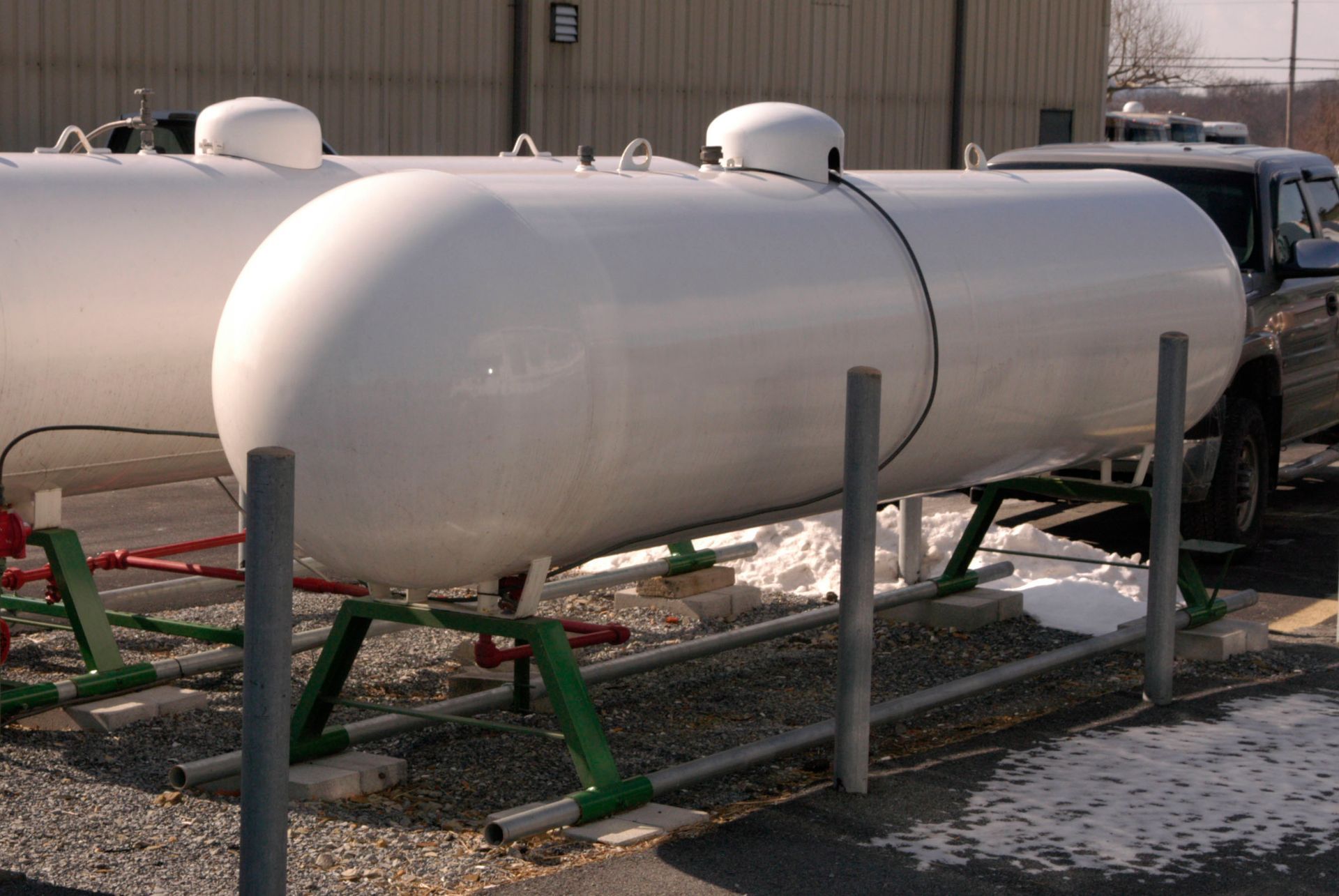
Once a system is operational, it should not be forgotten. A small amount of routine care goes a long way in preventing future issues. Homeowners should get into the habit of performing a quick visual walkthrough of their propane tank area. During these checks, it is important to look for "the big three": rust, soot, or significant dents. Rust is the primary enemy of metal containers, and if it becomes deep enough, it can compromise the safety of the vessel.
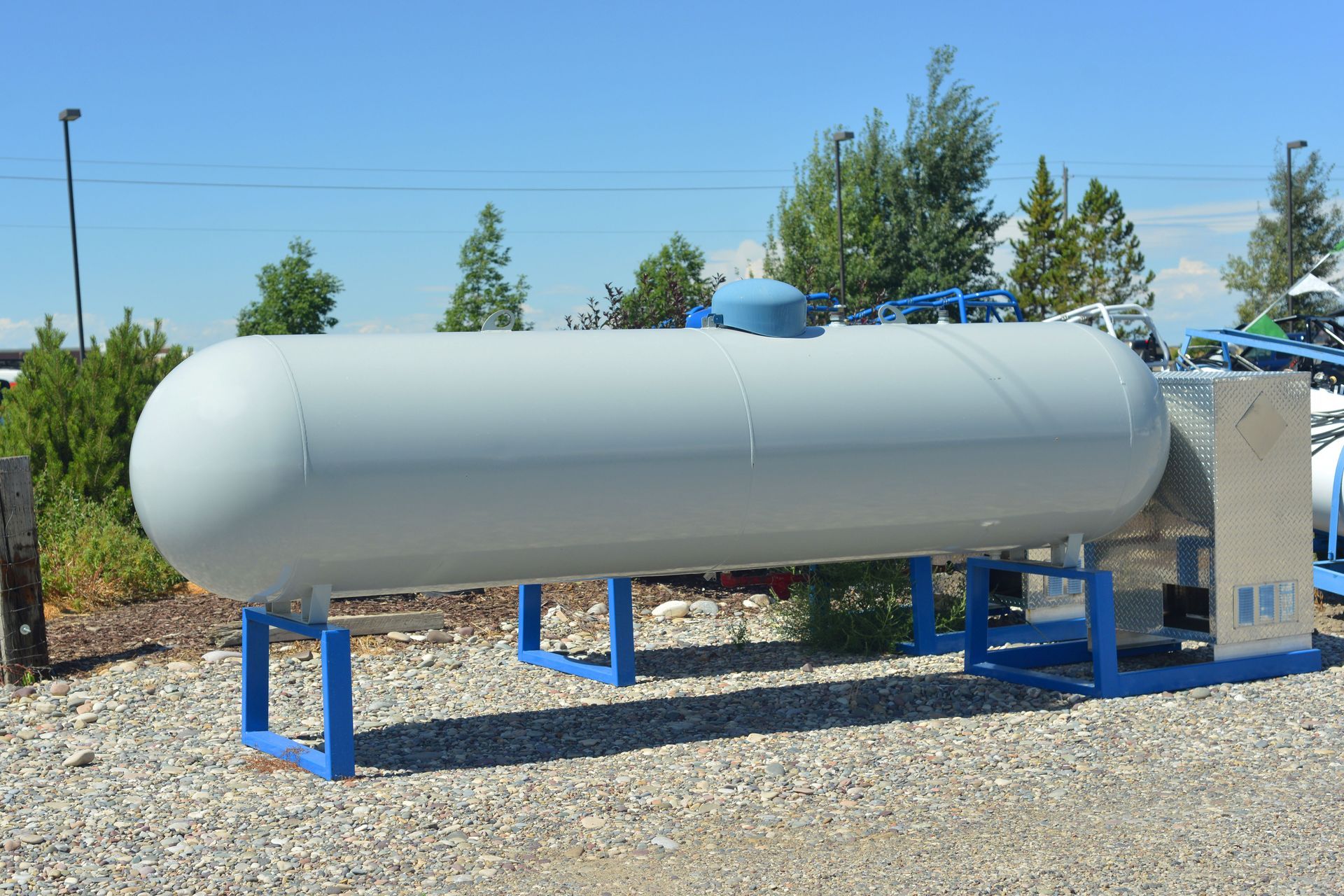
If the paint on a tank begins to peel or flake, it may be time for maintenance. Keeping a tank painted a light, reflective color—usually white or light gray—is actually a safety requirement. This helps reflect heat from the sun. If a tank becomes too hot, the internal pressure can rise, causing the safety relief valve to open. While the valve is doing its job, the sudden release of gas can be startling and indicates the tank is under environmental stress.
Implementing Safe Use and Handling
Using propane daily is straightforward, but handling cylinders and appliances requires specific safety protocols. For example, small portable cylinders used for space heaters or grills should never be stored indoors or in an attached garage. If a small leak develops in an enclosed space, the gas can accumulate and create a significant hazard.
If the "rotten egg" scent is ever detected, homeowners should act quickly but calmly. All open flames, including candles or cigarettes, must be extinguished immediately. It is important not to flip any light switches or use telephones inside the house, as these can create a tiny spark. Everyone should evacuate the premises immediately, and the propane provider or fire department should be called from a safe distance outside.
When transporting a propane tank in a vehicle for a refill, it must be kept upright and secured. If a tank rolls and the valve strikes an object, it could discharge. Maintaining a sense of mindfulness when moving or using the fuel ensures that the energy remains a benefit rather than a risk. Respecting the fuel's power is the best way to keep the home environment safe and functional.
Adhering to Legal Propane Safety Standards
The regulations surrounding propane usage exist for the protection of the homeowner and the community. Federal agencies and local building codes set the standards for how tanks are constructed, where they are placed, and how they are filled. These rules are updated periodically as technology and safety research evolve, so staying informed is a key part of responsible homeownership.
Staying compliant is not just about avoiding local fines; it is about ensuring that home insurance remains valid. Most insurance policies require that fuel systems meet current local safety codes. If an incident occurs and the propane tank is found to be out of compliance, it could complicate the claims process. Proactive maintenance ensures that the home remains a protected asset.
Homeowners can check in with their fuel provider occasionally to see if there have been any updates to local ordinances. Providers usually stay informed on these changes and can suggest simple adjustments or upgrades when necessary. By staying in the loop with regulatory changes, homeowners ensure their practices remain modern, legal, and—most importantly—safe for everyone in the neighborhood.
Creating a Home Propane Emergency Plan
The final step in a comprehensive safety strategy is simple preparedness. Every person in the household should know the location of the main shut-off valve, which is typically a large lever or handle located on the tank itself. Knowing how to manually cut off the fuel supply in an emergency is one of the most vital skills a homeowner can possess.
By following these guidelines, homeowners can master their energy use and enjoy the many benefits of a propane-powered home. Propane provides a reliable way to keep a house warm and meals hot, and with a little attention to detail, it remains an incredibly safe energy choice. For professional assistance with your home system, contact Pecos Propane, Inc.