June 4, 2026
Are you wondering whether you should use propane to fuel your home or business? It's a widely used energy source, yet it remains shrouded in a mix of truths and misconceptions. Let's take a moment to clarify some of the most common misunderstandings about propane, providing accurate information to help you make informed decisions.
Misconception 1: Propane Isn't as Safe as Other Fuels
Understanding Propane's Safety Record
Propane is a highly reliable fuel source when handled properly. According to the industry standards, propane tanks are built under rigorous safety guidelines and are equipped with various safety features to prevent accidents. Its strong safety record is a testament to these measures, and incidents are rare when tanks and appliances are used correctly. The National Fire Protection Association has set forth strict regulations ensuring that propane usage minimizes risks of explosions or leaks. Ultimately, these guidelines create a secure environment for consumers who rely on propane in their daily lives.
Propane vs. Other Fuels
In comparison to other common fuels like natural gas and gasoline, propane demonstrates a unique safety profile. Unlike natural gas, propane is not toxic and is less dense, which allows it to dissipate quickly into the atmosphere in case of a leak. Gasoline, on the other hand, poses environmental risks and has a higher likelihood of combustion. Propane tanks are also stored with added safety precautions, such as pressure relief valves and overfill protection devices, making them relatively safer. This precautionary design, along with professional installation and maintenance, enhances the security afforded by propane over other energy sources.
Proper Storage and Handling
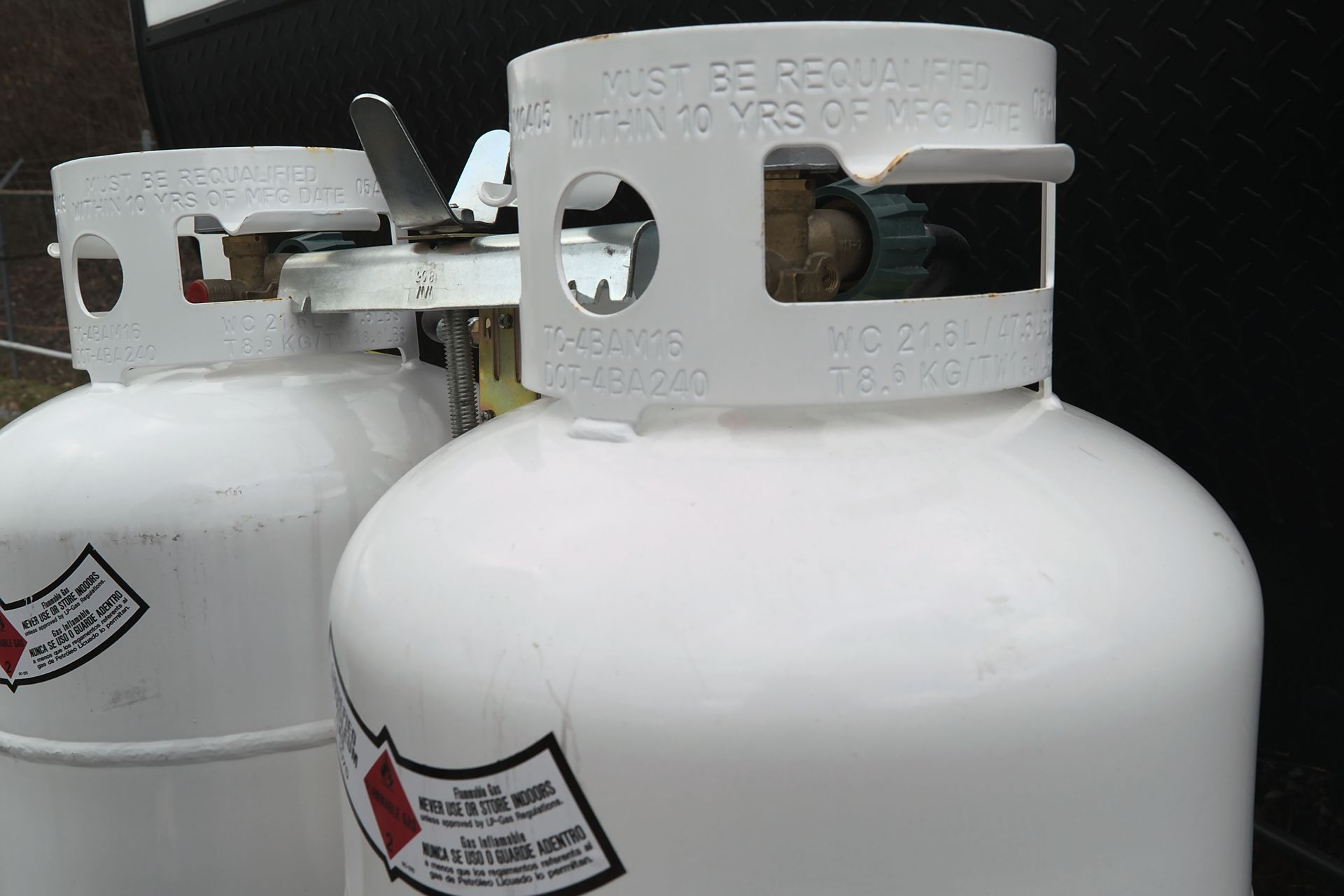
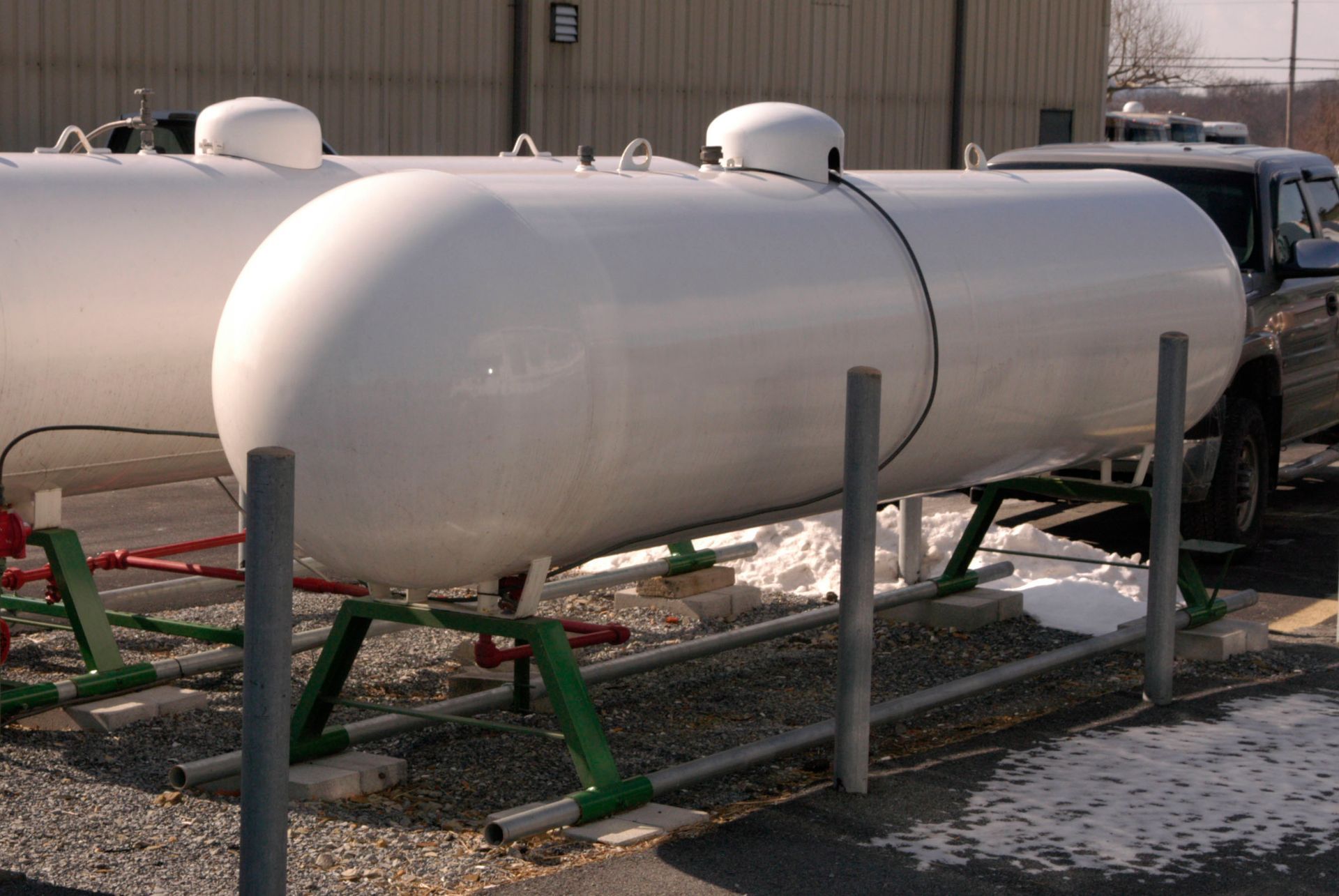
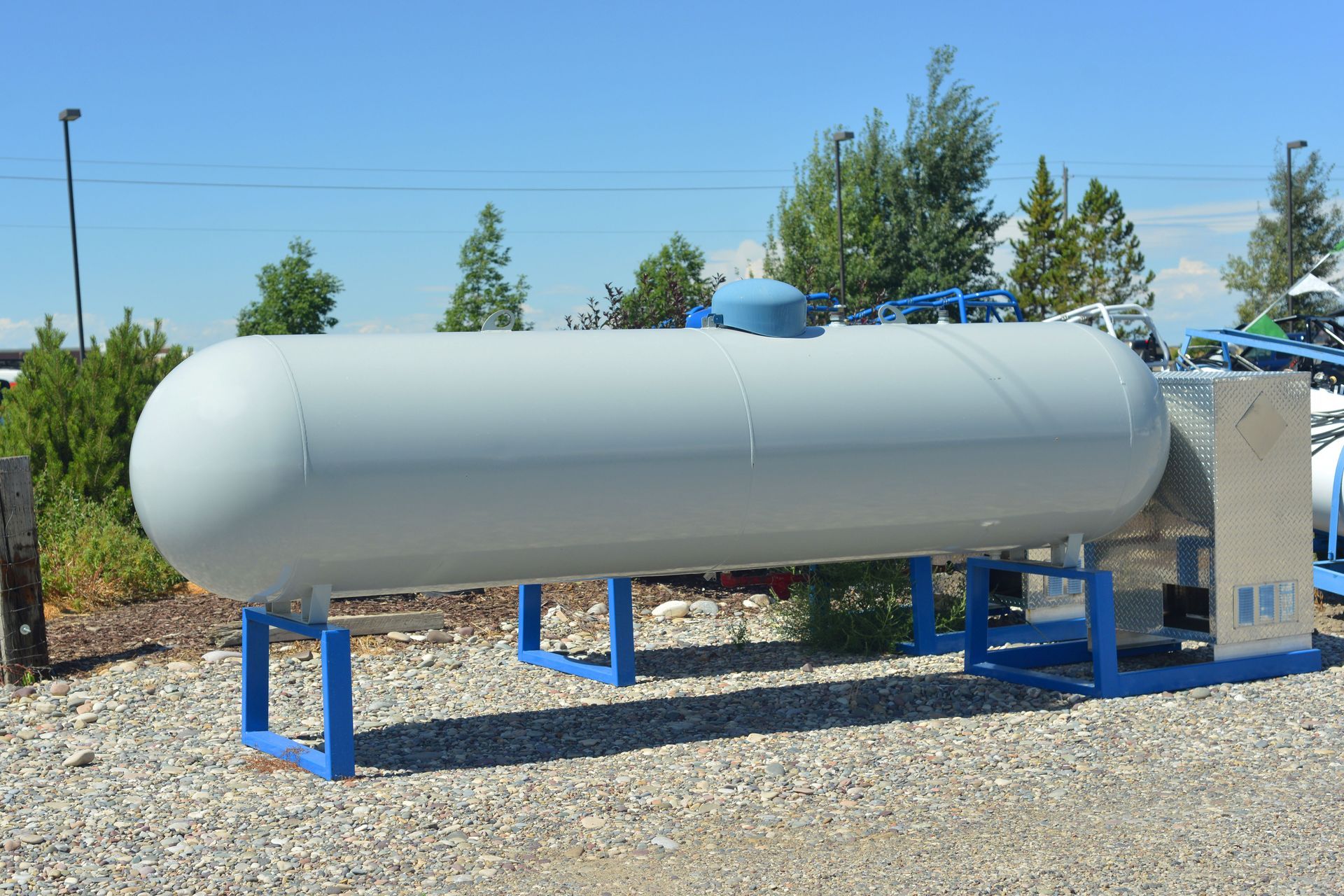
To ensure the safe use of propane, proper storage and handling techniques must be followed. Propane must be stored in certified tanks or cylinders, away from enclosed spaces and potential ignition sources. The area should be ventilated and preferably outside to allow for dissipation. Following manufacturer instructions in terms of refilling and transporting propane is also crucial to prevent leaks and ensure safety. Regular inspections are recommended to detect wear and tear and guarantee that valves and connections remain secure.
The Role of Odorants in Propane Safety
Propane itself is odorless, so manufacturers add a distinct smell to the gas to help detect leaks. This addition of odors provides a critical layer of safety, especially in situations where leaks are slow or otherwise not immediately apparent. As a safety measure, this artificially added scent enables humans to detect even a small leak before it becomes a serious hazard. The strong sulfuric aroma resembles that of rotten eggs, making it easily recognizable and prompting immediate consumer action if it is detected. This approach ensures that propane remains one of the safer energy options available.
Misconception 2: Propane Isn't Cost-Effective
Understanding Propane Pricing Structure
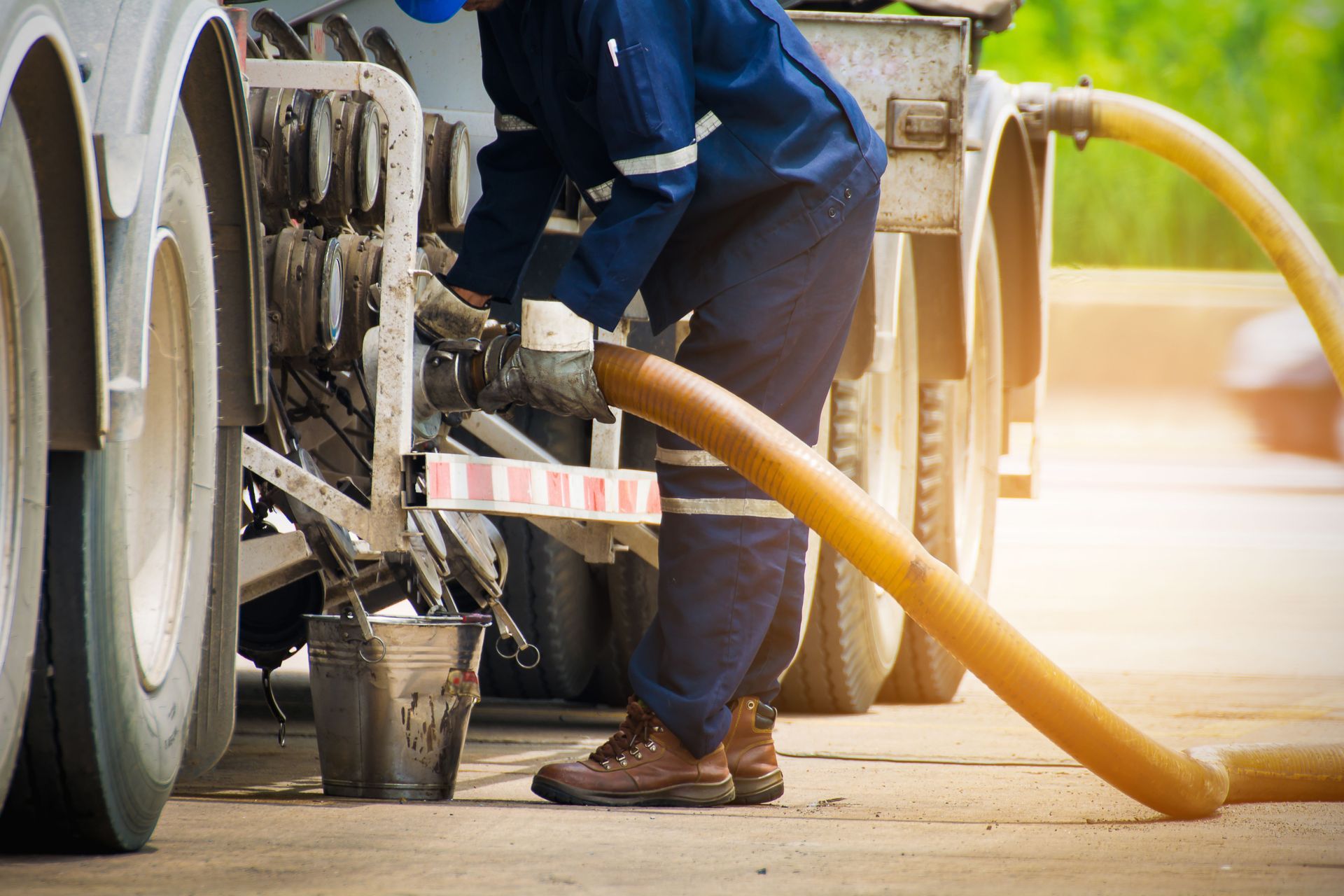
The price of propane can be influenced by numerous factors, including global oil prices, seasonal demand, and regional distribution costs. Supply chains are intricately linked to the petroleum industry, causing propane prices to fluctuate alongside crude oil. Additionally, local market conditions, competition, and delivery costs play roles in determining end-pricing. Despite these fluctuations, propane remains a cost-effective fuel choice by offering competitive pricing solutions compared to electricity and other alternatives. Understanding these dynamics helps consumers make informed decisions regarding their energy needs.
Propane vs. Electricity: A Cost Comparison
When comparing energy costs for heating and cooking, propane offers considerable savings over electricity in many cases. Propane furnaces and appliances typically achieve higher energy efficiency ratings, offering more warmth for less energy consumed. The upfront costs for propane can be mitigated by long-term savings, especially in regions with high electricity rates. Particularly in rural areas where electricity infrastructure costs surge, propane serves as an economical alternative. The enhanced efficiency and cost-effectiveness make it a worthwhile investment for homeowners seeking affordable energy solutions.
Long-Term Savings: Propane Appliances
The efficiency of propane appliances translates into long-term savings for homeowners and businesses alike. According to the Propane Education & Research Council, high-efficiency propane furnaces can achieve up to 98% efficiency, maximizing heat output for the energy consumed. Propane-powered appliances not only reduce utility costs but also offer superior performance and durability. The upfront investment in propane systems is frequently offset by operational savings over the life of the appliance. These financial benefits, coupled with propane's reliability, affirm its status as a cost-effective energy solution.
Incentives and Rebates for Propane Users
A myriad of incentives and rebates are available to propane users, promoting its adoption and utilization. Governmental programs and energy providers frequently offer rebates to consumers who switch to propane-powered systems. These incentives lessen the financial burden associated with new installations or retrofitting existing systems. Energy-efficient propane devices may also qualify for certain tax credits, further encouraging eco-friendly energy consumption. Staying informed on these opportunities allows consumers to capitalize on financial benefits while supporting sustainable energy practices.
Misconception 3: Propane Isn't a Versatile Fuel
Applications in Residential Settings
Propane serves as a versatile energy source for numerous applications within residential settings. From providing efficient home heating and hot water to powering kitchen ranges and outdoor grills, propane proves its utility in everyday life. Its clean-burning characteristics make it a preferred option for indoor use, reducing pollutants and enhancing air quality. Furthermore, propane fireplaces and backup generators offer reliable solutions during power outages, enhancing home safety and comfort. This adaptability makes propane an invaluable component in many households' energy mix.
Propane in Agriculture
The agricultural sector benefits significantly from propane's versatility and efficiency. Propane-powered equipment facilitates vital processes, including drying crops, heating barns, and fueling irrigation systems. Its portability and availability make it the fuel of choice in remote agricultural sites lacking direct connections to natural gas pipelines. Moreover, propane's stable price structure contributes to consistent operational costs in agriculture, ensuring budget predictability for farmers and producers. Beyond its cost advantages, propane's environmental benefits support sustainable agricultural practices essential for modern farming.
Industrial Uses of Propane
Propane's role extends beyond domestic and agricultural settings, finding applications across various industrial sectors. It serves as an essential fuel for forklifts, fleet vehicles, and numerous manufacturing processes due to its clean burning and high energy output. Its storage and handling flexibility facilitates uses in construction, welding, and metal fabrication industries. In high-energy-demand environments, propane helps meet energy needs efficiently and safely. As industries seek to balance performance with environmental regulations, propane remains a viable energy option, driving operational success.
Propane in Transportation: An Emerging Trend
Emerging trends point to propane's increasing role in the transportation sector. Propane powers a growing number of vehicles due to its emissions advantages and cost efficiency over gasoline and diesel. These factors, combined with robust infrastructure developments, have solidified propane's presence in public transportation and commercial fleets. Additionally, government incentives further accelerate its adoption by reducing upfront costs for conversion and fueling equipment. This trend reflects the transportation industry's shift toward cleaner, sustainable fuel solutions to address climate and economic challenges.
Backup Power Solutions With Propane
Propane-powered generators offer unmatched reliability in delivering backup power during emergencies. Unlike diesel, propane doesn't degrade over time, ensuring consistent performance when most needed. These generators seamlessly provide electricity to critical systems, from medical equipment to essential home appliances, safeguarding well-being during grid outages. Besides lower environmental impact, the cost advantages and operational readiness of propane generators make them a compelling choice. By choosing propane for backup power solutions, consumers ensure preparedness without compromise.
Despite prevalent misconceptions, propane is a safe, versatile, and cost-effective energy source. By shedding light on the truths about propane, you can make better-informed energy choices. If you're ready to get started with propane, reach out to Pecos Propane, Inc today to get started!